Understanding the House Edge
The house edge is a fundamental concept in casino gaming, representing the mathematical advantage that a casino has over its players. This advantage ensures that, over time, the casino will always come out ahead, regardless of short-term player wins. For instance, in games like roulette, the house edge is created by the presence of the zero (or double zero), which means that not every bet pays out even money. Players interested in understanding the dynamics of odds can also explore online pokies nz , as this concept is crucial for anyone looking to play in a casino, as it affects the overall probability of winning.
Moreover, the house edge varies significantly from one game to another. For instance, games like blackjack can have a lower house edge, particularly when players use optimal strategies, sometimes dipping below one percent. In contrast, slot machines can exhibit a house edge of up to 15 percent or more. This variation in odds means that players must approach each game with an understanding of its rules and probabilities to maximize their chances, even if only to mitigate losses.
Ultimately, beating the house edge isn’t about overcoming the odds—it’s about playing intelligently and understanding the dynamics of the game. Many players focus solely on winning, but a more strategic approach might involve managing bankroll effectively and knowing when to walk away. This understanding can provide a more enjoyable experience, allowing players to appreciate the game beyond just the outcome.
Strategies to Reduce the House Edge
While the house edge is built into the framework of casino games, players can employ strategies to reduce its impact. In games like blackjack, for example, players can use card counting techniques to keep track of the ratio of high to low cards left in the deck. This awareness allows players to adjust their betting strategies accordingly, potentially swinging the odds more in their favor. However, card counting requires practice, discipline, and a deep understanding of the game’s mechanics.
Another strategy lies in selecting games with better odds. Poker, for example, is a game where players compete against each other rather than against the house, which can offer skilled players opportunities to win consistently over time. Furthermore, by choosing games with lower house edges like baccarat or specific variations of video poker, players may enjoy more favorable odds compared to slots or keno. Selecting the right game is crucial and can significantly influence the player’s potential to minimize losses.

Moreover, utilizing bonuses and promotions effectively can also help in reducing the impact of the house edge. Many casinos offer welcome bonuses, free spins, and loyalty rewards that can enhance a player’s bankroll. When used strategically, these bonuses can create opportunities to play more rounds or back up losses without risking additional personal funds. However, players should read the fine print on these offers, as they often come with wagering requirements that might offset their value.
The Role of Luck in Casino Games
Luck undeniably plays a significant role in the outcome of casino games, especially those that rely on chance rather than skill. Games like slot machines and roulette are quintessential examples where randomness is a major factor. No amount of strategy or skill can predict where a ball will land or which combination of symbols will align. Therefore, while players may have strategies to improve their odds, the element of luck can often overshadow these efforts.
This randomness is also what makes casino games appealing. The thrill of uncertainty keeps players engaged as they chase that elusive big win. However, it’s vital to remember that chasing losses can lead to poor decision-making and eventual burnout. Players should find a balance between enjoying the thrill of the game and recognizing when luck is not on their side. Setting limits can be an effective way to manage time and money spent in a casino.
Ultimately, while luck will always be a factor, it is essential for players to build a mindset that acknowledges this randomness. By having realistic expectations and understanding that winning is never guaranteed, players can enjoy the gaming experience without succumbing to undue pressure. This way, players can focus on the entertainment aspect of their casino visit rather than solely fixating on beating the odds.
Psychological Aspects of Gambling
The psychology of gambling is another crucial aspect to consider when discussing the house edge. Many players operate under cognitive biases, such as the gambler’s fallacy, where they believe that past outcomes will affect future results. For example, if a player experiences a losing streak, they might think they are “due” for a win, encouraging them to wager more in hopes of reversing their fortunes. Understanding these psychological tendencies can help players make more informed decisions.
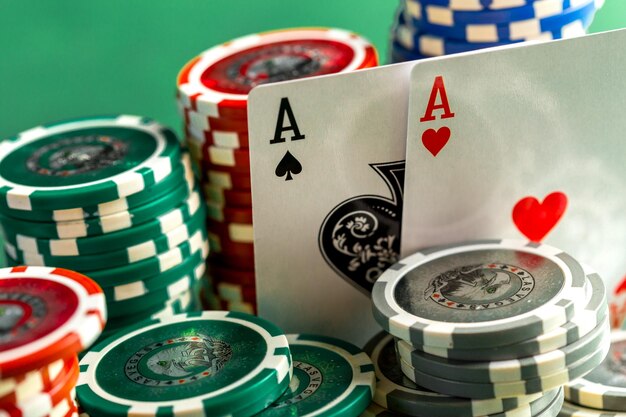
Moreover, the thrill and excitement of gambling can lead people to overlook the risks involved. Casinos are designed to entice players with flashing lights, sounds, and rewards, creating an exhilarating atmosphere that can impair judgment. Recognizing the impact of this environment is essential in maintaining control over one’s gambling habits. Awareness of emotional triggers can empower players to take breaks or set limits to prevent impulsive behavior.
By employing a thoughtful approach to gambling, players can mitigate psychological pressures. Educating oneself about responsible gambling and practicing mindfulness can significantly enhance the experience, making it enjoyable rather than destructive. This proactive mindset not only benefits the individual player but also promotes a healthier environmental culture around gambling.
Conclusion: The Path to Responsible Gaming
In conclusion, beating the house edge in casinos is a complex endeavor that requires more than just luck. Understanding the mechanics behind the house edge, employing effective strategies, recognizing the role of luck, and being mindful of psychological factors are all essential components for any player aiming to enhance their gaming experience. It’s crucial to approach casino games with a balanced mindset, recognizing that while winning is a possibility, it is never a guarantee.
Being informed and strategic can help players reduce the house edge and improve their chances of success. However, the most important aspect of gambling is to keep it fun and engaging. Setting limits, both financially and emotionally, can lead to a more sustainable and enjoyable experience at the casino. Ultimately, successful gambling is less about defeating the house and more about playing smart, enjoying the moment, and knowing when to walk away.
For those interested in learning more about responsible gaming and strategies to enhance your casino experience, you can find a wealth of resources available. Engaging with communities and educational platforms dedicated to responsible gambling can provide insights and knowledge that will aid players in developing a healthier relationship with gaming. Remember, the goal is not just to win but to enjoy the process and entertain yourself responsibly.